
How does light pollution impact wildlife
Almost every animal is impacted by light pollution – and in lots of different ways. From reproduction to sleep and safety from predators, these impacts can be negative or downright deadly.
Many native mammals rely on dark places to be able to move between homes and food sources and hide from the things that want to eat them.
For those creatures that sleep during the day and go about their business at night, you can imagine why it’s a problem. This is the case for most Australian mammals and frogs, and some birds and reptiles too.
Then there are animals that are guided by the moonlight – like sea turtles and birds. It can mean they don’t find their way at all.
Sudden changes in lighting can temporarily disorientate mammals, even blinding them completely. And, of course, bright lights can cause them to collide with buildings too.
Light pollution can even change some hormone levels in animals, directly impacting the number of babies they have and the health of those offspring. It can affect their melatonin and even weaken their immune systems!
The impact on animals can have a flow-on effect on plants too – lights can attract insects towards them and away from the flowers they would otherwise pollinate, can change the times when they produce flowers or fruits, or change the whole plant shape.
So, from bandicoots and possums to wallabies and microbats – to owls and tawny frogmouths to insects and zooplankton in the sea – the impacts of light pollution are far-reaching. But the good news is that there are easy ways to reduce it.
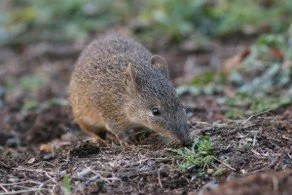
Southern brown bandicoots are mostly nocturnal. Photo: Martin Stokes.
5 easy ways to reduce light pollution at home
In line with the National Light Pollution Guidelines for Wildlife, the best-practice principles for lighting to protect wildlife are:
Start with natural darkness and only add light for specific purposes.
Use adaptive controls – such as dimmers, apps or sensors – to manage timing, intensity and light colours.
Light only the areas you really need and stop excess light from spilling upwards and outwards into habitat places.
Use low-intensity lighting (under 3000K – more on that below) and keep it close to the ground.
Avoid cold white lights – choose warm amber (low-colour temperature or CCT) lighting with little or no blue wavelength*.
This information has been obtained from the Green Adelaide website
https://www.greenadelaide.sa.gov.au/news/2026-home-light-pollution-wildlife-impacts
